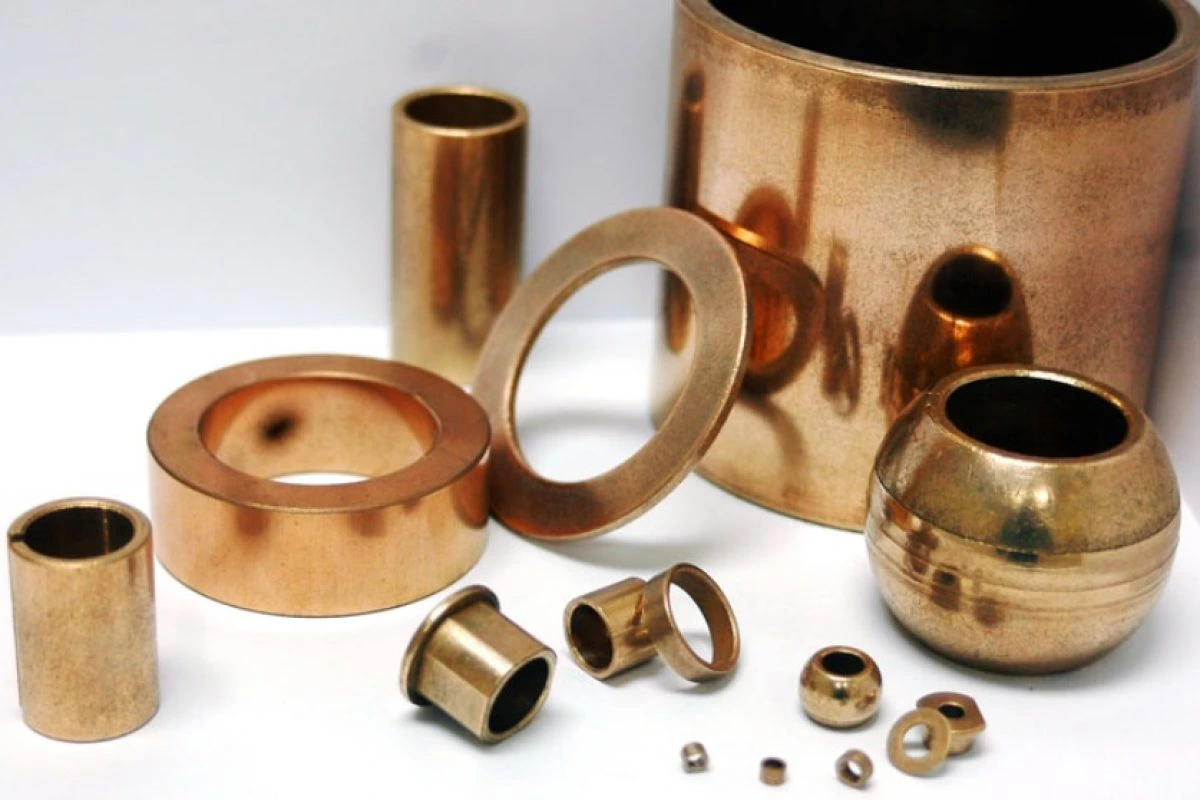
Brass and bronze are two very famous metals. Many industries use these metals to make elements, equipment and merchandise. At first glance, brass and bronze may additionally appear the same. The coloration of both is yellow or gold. Because of this, many humans think they’re equal.
But certainly, brass and bronze are special metals. They have different materials, different strengths and one-of-a-kind regions of use.
It is critical to understand the differences between those metals in manufacturing and engineering.
That is why many experts compare Brass vs Bronze in sheet metal fabrication when choosing the right metal.
In this article, we will explain the key differences between brass and bronze using very simple words.
What Is Brass?
Brass is a metal alloy. This means that it’s far more made by blending metals collectively. Brass is made of copper and zinc.
Copper offers electrical conductivity and corrosion resistance. Zinc enables making the steel less difficult to form and shape.
The shade of brass is generally light yellow or golden. Because of its properly coloration, brass is frequently used for ornamental products.
Another true thing about brass is that it is simple to cut, bend and shape. Because of this, many producers prefer to use brass for metal elements.
Industries also use RFS Brass Sheet Metal Fabrication to create custom brass components for machines and equipment.
What Is Bronze?
Bronze is also a metallic alloy. But it’s far more fabricated from copper and tin.
Bronze is commonly darker than brass. The coloration is reddish brown.
Bronze is known for its strength and durability. It withstands heavy masses and high friction. For this reason, bronze is regularly used for mechanical parts.
Bronze is also fairly resistant to corrosion. It works properly in water and marine environments.
Therefore, bronze is regularly used for ship elements, bearings and business systems.
Main Difference in Material
The largest distinction between brass and bronze is the fabric used to lead them.
Brass
Made of copper and zinc
vibrant yellow
smooth to mould and form
bronze
manufactured from copper and tin
dark brown
more potent and longer lasting
Because of these distinct substances, metals behave differently in production and programs.
Strength and Durability
Both metals are strong; bronze is typically more potent.
Bronze is harder and greater long lasting. It withstands more stress and wear. Because of this, bronze is regularly used for gadget parts such as gears and bearings.
Brass is softer than bronze. But it additionally makes it easier to system and shape.
So when industries need robust mechanical components, they often choose bronze. When they need easy shaping and shaping, they select brass.
Corrosion Resistance
Both brass and bronze resist corrosion; bronze works better in certain environments.
Bronze is especially immune to salt water and moisture. That is why it is often used in marine gadgets together with ship propellers and underwater components.
Brass additionally resists corrosion, but no longer as strongly as bronze in salty environments.
However, brass nonetheless works nicely in lots of indoor and industrial packages.
Workability and Manufacturing
Brass is easier to paint with at some stage in manufacturing.
Brass is simpler to reduce, drill, bend and shape than brass. This makes brass a terrific material for designated components and problematic designs.
Because of this gain, many organizations use brass as opposed to bronze in sheet metal fabrication once they have elements that need to be fashioned and fashioned.
Fabrication offerings like RFS Brass Sheet Metal Fabrication help the industry produce custom brass parts with excessive precision.
Bronze is tougher than brass, so it could be extra hard to devise.
Cost Difference
Cost is another critical difference.
Brass is generally less expensive than bronze. Zinc is much less expensive than tin, which facilitates holding brass charges low.
Bronze is regularly greater steeply-priced because tin prices are greater than zinc.
Because of this, many producers choose brass when they need to lessen production costs.
However, if the product calls for more energy or corrosion resistance, bronze might also still be a higher choice.
Common Uses of Brass
Brass is used in lots of industries and ordinary products.
Common brass applications include:
musical instruments
ornamental objects
plumbing furnishings
electric contacts
valves and locks
Since brass is simple to form and has a lovely shade, it’s also used in many decorative items.
Common Uses of Bronze
Bronze is frequently used for heavy and mechanical packages.
Common bronze makes use of encompass:
Bearings and bushings
marine gadget
ship propeller
commercial machine components
Statues and sculptures
Bronze is chosen because durability and strength are very important.
Which Metal Is Better?
There is no simple answer. The quality of metal depends on the challenge.
Brass is better when you need:
Easy machining and forming
low fee
decorative sample
Bronze is higher when you need:
excessive electricity
higher put on resistance
Better performance in marine environments
That is why engineers often compare Brass vs Bronze in sheet metal fabrication before selecting the right metal.
Conclusion
Brass and bronze are each useful metals used in many industries. They may additionally appearance the same, but the substances, strengths and uses are unique.
Brass is made from copper and zinc. It is simpler to shape, more competitively priced and is widely utilized in decorative and commercial products.
Bronze is made from copper and tin. It is more potent, more durable and plays higher in harsh environments, including seawater.
Understanding those variations facilitates producers in picking out the proper steel for their products.
For organizations that require custom brass components, offerings like RFS Brass Sheet Metal Fabrication offer dependable answers for production excellent steel additives.