Technology evolves rapidly, and new software platforms appear with innovative features designed to improve efficiency, security, automation, and digital workflow management. One term that has recently sparked curiosity is what is immorpos35.3 software. Many users across technical forums, business environments, and IT communities are asking about its purpose, functionality, and potential applications.
Understanding what is immorpos35.3 software requires looking at its architecture, use cases, benefits, and technical framework. Below is a comprehensive breakdown of everything you need to know.
Understanding the Core Concept of Immorpos35.3 Software
When exploring what is immorpos35.3 software, it helps to begin with its fundamental structure. Immorpos35.3 is generally recognized as a modular enterprise-grade software solution designed to handle advanced data processing, operational automation, and system integration tasks.
Unlike traditional applications that serve a single function, Immorpos35.3 operates as a multi-layered digital management system. It is built to:
- Process large-scale data environments
- Integrate with legacy and cloud-based systems
- Support automation workflows
- Enhance digital security structures
- Optimize performance through adaptive architecture
The “35.3” versioning suggests an advanced iteration, potentially representing a major update with enhanced compatibility and performance improvements.
The Architecture Behind Immorpos35.3
To properly answer what is immorpos35.3 software, examining its technical architecture is essential.
Immorpos35.3 is typically structured around three primary layers:
1. Core Processing Engine
The processing engine handles:
- Real-time data computation
- Cross-platform compatibility
- Multi-thread execution support
- High-volume transaction handling
This core system is optimized for performance-intensive environments such as logistics networks, enterprise accounting systems, cloud data hubs, or AI-integrated platforms.
2. Middleware Integration Framework
One of the strongest components of Immorpos35.3 is its integration layer. This middleware allows:
- API-driven communication
- Seamless integration with ERP systems
- Cloud synchronization
- Database bridging
Organizations using multiple systems benefit from Immorpos35.3’s ability to unify digital workflows without disrupting existing infrastructure.
3. User Interface & Administrative Control Panel
The control panel provides:
- Role-based access management
- Security monitoring dashboards
- Custom configuration modules
- Analytics reporting tools
The interface is built for both technical administrators and operational managers, ensuring flexibility across departments.
Main Functions and Capabilities
A crucial part of understanding what is immorpos35.3 software lies in its capabilities. Below are its most notable functions.
Advanced Data Management
Immorpos35.3 handles structured and semi-structured data efficiently. It supports:
- SQL and NoSQL databases
- Data transformation pipelines
- Automated backups
- Data redundancy systems
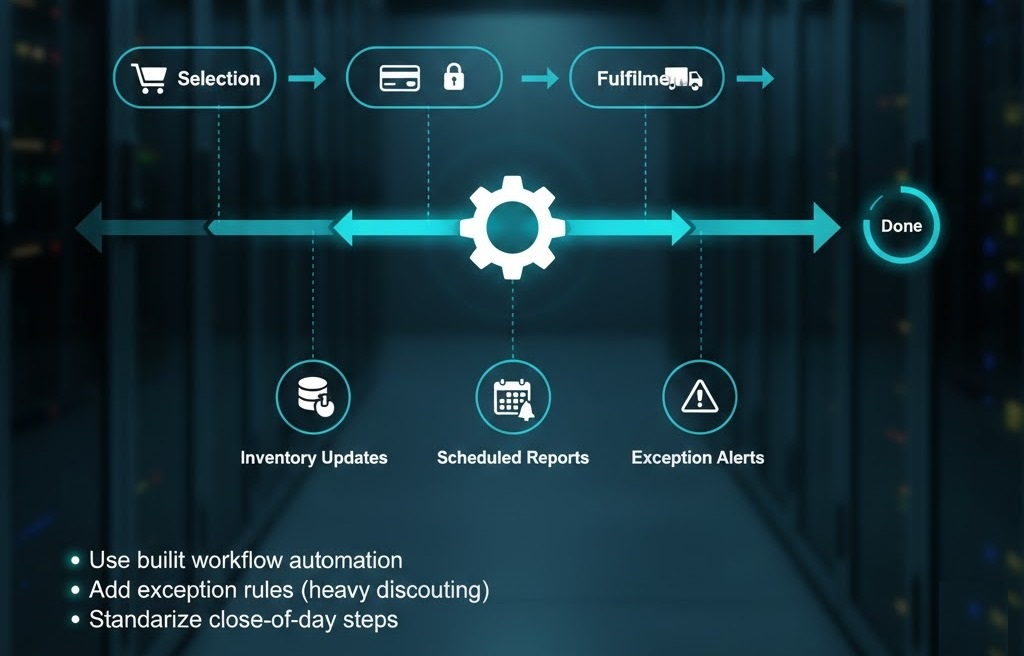
Automation and Workflow Optimization
The software includes automation triggers that:
- Reduce manual tasks
- Streamline repetitive operations
- Enhance cross-department coordination
- Minimize operational bottlenecks
Security Reinforcement
Security is a core focus. Immorpos35.3 typically integrates:
- End-to-end encryption
- Multi-factor authentication
- Access-level segmentation
- Intrusion detection protocols
Scalability
Whether used in small networks or enterprise systems, the platform allows:
- Vertical scaling (increasing performance capacity)
- Horizontal scaling (expanding distributed environments)
- Cloud-native deployment options
Industries That May Use Immorpos35.3
Understanding what is immorpos35.3 software also involves examining who uses it. Its architecture suggests suitability across various industries:
1. Enterprise IT Management
Organizations with complex infrastructure can centralize system management through Immorpos35.3’s integration capabilities.
2. Financial Institutions
Banks and financial firms require:
- Secure transaction processing
- Real-time monitoring
- Fraud detection layers
Immorpos35.3’s encryption and transaction support make it suitable for these environments.
3. Healthcare Systems
Healthcare networks often rely on secure digital record systems. Immorpos35.3 supports:
- Protected data exchange
- Compliance-focused data architecture
- Secure authentication protocols
4. Logistics and Supply Chain
Real-time inventory and shipment tracking benefit from:
- Automated workflow triggers
- Data synchronization
- Cloud-based analytics
Key Advantages of Immorpos35.3 Software
Several benefits stand out when evaluating what is immorpos35.3 software.
High Performance Efficiency
The processing engine ensures optimized resource usage, reducing server load while increasing throughput.
Enhanced Security Framework
Security is not an add-on feature; it is integrated at the architectural level.
Flexible Deployment Models
Immorpos35.3 can be deployed:
- On-premises
- Hybrid cloud environments
- Fully cloud-native systems
Modular Customization
Organizations can enable or disable modules depending on operational needs, reducing unnecessary system complexity.
Future-Proof Design
The version structure suggests continuous development, meaning compatibility updates and performance improvements are likely built into its roadmap.
How Immorpos35.3 Differs from Traditional Software
Many users asking what is immorpos35.3 software compare it to conventional enterprise applications. The primary difference lies in its adaptability.
Traditional software often:
- Operates in isolated environments
- Requires heavy customization for integration
- Offers limited scalability
Immorpos35.3, however, emphasizes:
- Interoperability
- Dynamic system response
- Scalable infrastructure
- Automated intelligence frameworks
This makes it more aligned with modern digital transformation strategies.
Technical Features Breakdown
To better understand what is immorpos35.3 software, here’s a deeper technical breakdown.
Multi-Threaded Processing
Allows parallel execution of processes, improving speed and efficiency.
Load Balancing Algorithms
Distributes system load evenly across servers to prevent bottlenecks.
Real-Time Monitoring Tools
Provides dashboards that display:
- System performance metrics
- Security alerts
- Resource consumption
- User activity logs
Disaster Recovery Integration
Supports:
- Automated failover systems
- Backup replication
- Rapid data restoration
Deployment and Installation Considerations
Before implementing Immorpos35.3, organizations typically evaluate:
- Hardware requirements
- Operating system compatibility
- Network bandwidth
- Security compliance needs
On-Premises Deployment
Offers complete control over infrastructure and data storage.
Cloud Deployment
Allows:
- Lower upfront hardware costs
- Remote accessibility
- Elastic resource scaling
Hybrid Deployment
Combines both models, offering balance between control and flexibility.
Performance Optimization Mechanisms
Immorpos35.3 is structured for optimization at multiple levels:
- Database indexing efficiency
- Memory allocation tuning
- CPU load management
- Automated maintenance scheduling
These mechanisms ensure consistent performance even during peak demand.
Potential Challenges and Considerations
Every advanced software system has challenges. When exploring what is immorpos35.3 software, it is important to consider:
Learning Curve
Due to its modular and enterprise-focused structure, new administrators may require training.
Initial Configuration Complexity
Advanced customization can increase setup time.
Infrastructure Demands
High-performance environments may require upgraded hardware or cloud resources.
Despite these considerations, the long-term operational gains often outweigh the setup effort.
Security Framework in Detail
Security is one of the strongest pillars of Immorpos35.3.
Zero-Trust Access Model
No user or device is automatically trusted. Continuous verification is required.
Encryption Standards
Data encryption typically applies to:
- Data at rest
- Data in transit
- Authentication credentials
Audit Trail Logging
Every action is logged for compliance and monitoring purposes.
Future Development and Version Evolution
The “35.3” naming implies iterative updates. Software structured this way usually indicates:
- Continuous performance refinement
- Patch-based vulnerability updates
- Compatibility expansion
- Feature enhancements
Future versions may integrate:
- AI-driven analytics
- Predictive maintenance tools
- Advanced automation scripting
- Machine learning extensions
Why Businesses Are Interested in Immorpos35.3
Organizations seeking digital transformation often prioritize:
- System centralization
- Operational efficiency
- Risk mitigation
- Scalable infrastructure
Immorpos35.3 appears aligned with these goals by offering integrated management rather than fragmented tools.
Comparing Immorpos35.3 to Cloud-Native Platforms
Many modern systems operate entirely in the cloud. Immorpos35.3 stands out by offering:
- Hybrid compatibility
- Legacy system integration
- Structured data pipeline management
Instead of forcing businesses to rebuild infrastructure, it adapts to existing ecosystems.
Real-World Application Scenarios
To further clarify what is immorpos35.3 software, consider these scenarios:
Scenario 1: Enterprise Data Hub
A company with multiple branch offices uses Immorpos35.3 to:
- Consolidate regional databases
- Automate financial reporting
- Monitor server health centrally
Scenario 2: Secure Financial Transactions
A fintech startup deploys Immorpos35.3 to:
- Encrypt transaction data
- Monitor suspicious activity
- Scale during peak usage periods
Scenario 3: Logistics Automation
A distribution network integrates Immorpos35.3 to:
- Track shipments in real time
- Automatically update inventory
- Generate predictive supply forecasts
Maintenance and Ongoing Support
Effective management includes:
- Scheduled performance audits
- Security patch updates
- Log file monitoring
- System optimization tuning
Routine maintenance ensures stability and long-term reliability.
Long-Term Value Proposition
Understanding what is immorpos35.3 software ultimately comes down to value. Its long-term advantages include:
- Reduced operational redundancy
- Improved cross-platform compatibility
- Enhanced cybersecurity resilience
- Future scalability without structural overhaul
Businesses adopting such systems often experience improved workflow transparency and digital consistency.
Final Thoughts on Immorpos35.3 Software
For anyone asking what is immorpos35.3 software, the answer lies in its role as a robust, scalable, enterprise-grade digital management platform. It integrates data processing, automation, security, and performance optimization into one adaptable framework.
Its modular architecture, real-time capabilities, and hybrid deployment options make it suitable for organizations looking to modernize without sacrificing control. While implementation may require strategic planning and technical oversight, the long-term benefits position Immorpos35.3 as a powerful solution in advanced digital environments.