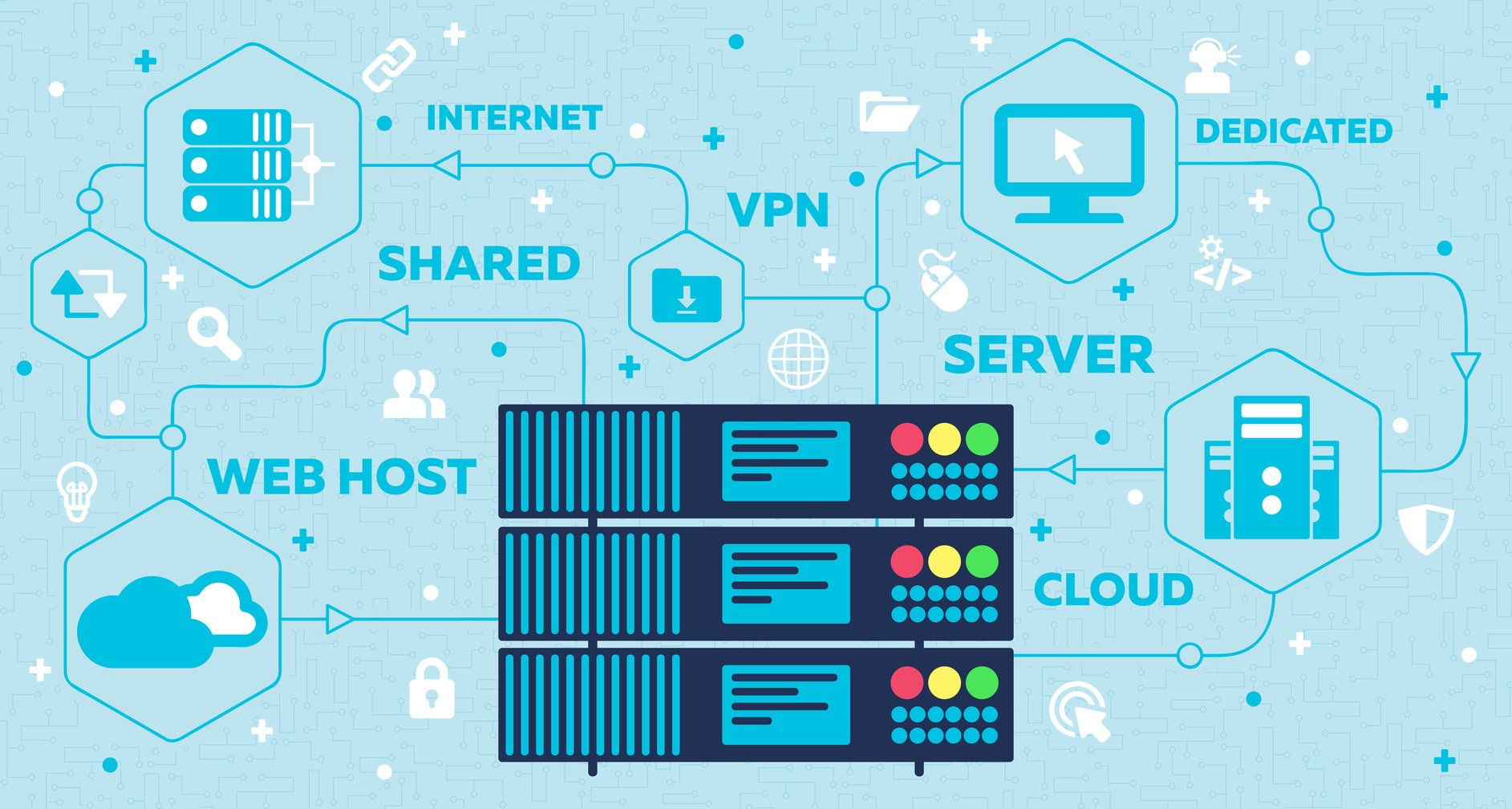
“Dedicated” is one of those words that tech companies love slapping onto everything. Dedicated support, dedicated account reps, dedicated bandwidth. When it comes to servers, though, the word actually means something concrete. You get one physical machine, nobody else touches it.
It sounds simple. But the gap between a dedicated server and everything else on the market is wider than most people think.
What You’re Actually Paying For
When you rent a dedicated server, you’re getting the whole box. The CPU, the RAM, the storage, the network card. All of it runs your stuff and only your stuff. There’s no hypervisor carving the machine into little virtual slices for other tenants.
This matters more than it sounds like it should. On a VPS, you’re technically isolated, but you still share physical hardware with whoever else your provider put on that box. If their workload gets sloppy, your I/O takes the hit. With dedicated hardware, that problem doesn’t exist.
The same idea shows up in the proxy space. Shared proxy pools hand out IP addresses to dozens of clients at once, and if one user does something reckless, everyone on that pool deals with the fallout. IPRoyal’s dedicated proxy server solutions work the opposite way: one IP, one client. You manage your own request patterns without inheriting someone else’s bad reputation. For anyone doing ad verification or price monitoring, that control is worth paying for.
Why the Isolation Goes Beyond Speed
Most conversations about dedicated servers focus on performance, and fair enough. But the security side deserves more attention than it usually gets.
Wikipedia’s entry on dedicated hosting describes the model as giving clients full control over OS selection, hardware configuration, and installed software. That control is the whole point. You can harden the server your way, from the kernel up, without worrying about what another tenant’s misconfigured container might expose.
NIST’s Guide to General Server Security (SP 800-123) walks through best practices for server hardening, and a surprising number of those recommendations get way easier when you own the full stack. Firewall rules, encryption settings, access controls: all of it becomes cleaner without a multi-tenant layer muddying things up.
And then there’s compliance. Try explaining to a PCI-DSS auditor that your payment processing system shares a hypervisor with unknown third parties. It goes about as well as you’d expect.
Dedicated Servers Weren’t Supposed to Survive the Cloud
Remember the cloud migration wave of the 2010s? Everyone was supposed to move everything to AWS or Azure and never look back.
Liquid Web ran a survey in 2025, talking to over 1,000 IT professionals, and the results were striking. 86% of organizations still use dedicated servers. Even more interesting: 42% had moved workloads back from public cloud in the past year. When asked why, 55% pointed to wanting full control and customization.
The breakdown by industry is telling. Government agencies were at 93%, IT companies at 91%, finance at 90%. And it’s not just enterprise: 68% of micro companies reported they run dedicated hardware. So much for the “cloud only” future.
Who Actually Needs One
Look, not every project requires its own server. If you’re running a personal site or a small company blog, a $20 VPS works fine. Dedicated servers make sense when the stakes get higher.
Big databases are the classic use case. A PostgreSQL instance processing millions of queries daily runs noticeably better with exclusive disk I/O. There’s no mystery neighbor competing for read/write access at random hours.
E-commerce is another one. When a slow page load during a flash sale directly costs you money, sharing server resources stops being acceptable. Healthcare and financial services land here too, since their compliance requirements practically demand physical isolation.
What to Actually Look For
Buying a dedicated server isn’t like ordering from a menu where you just pick the most expensive option. Location matters a lot. A server in Frankfurt won’t serve Southeast Asian users well, no matter how beefy the hardware is.
Ask about the network, not just the box. Peering arrangements, bandwidth caps, uptime SLAs. And pay attention to support. There’s a big difference between a provider with 24/7 phone support and one that takes two days to answer tickets.
Hardware age is worth checking, too. Some providers quietly keep five-year-old Xeon machines in rotation. Current-gen AMD EPYC chips run circles around older gear, and you shouldn’t be paying dedicated prices for outdated equipment.
The reason dedicated servers keep hanging around, despite a decade of predictions otherwise, is pretty straightforward. Shared infrastructure has hidden costs: inconsistent performance, someone else’s rules, compliance friction that eats up engineering hours. For workloads where those things matter, having a machine that’s truly yours still beats the alternative.