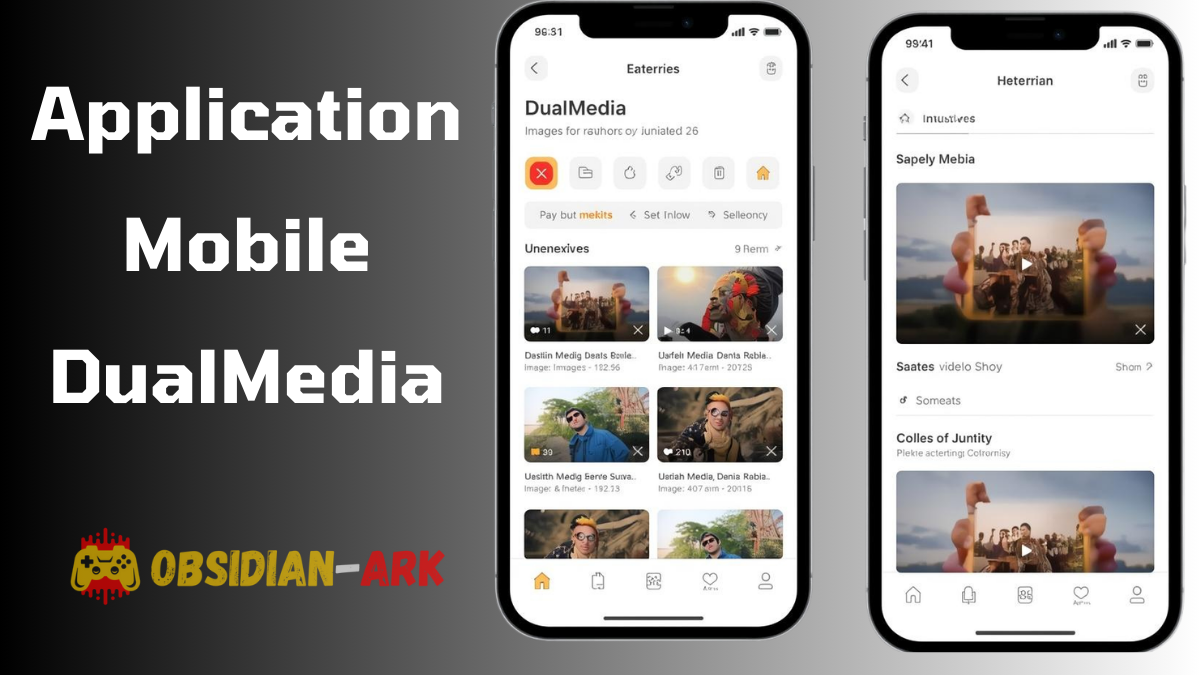
Digital technology continues to reshape how people interact with information, entertainment, and communication. Among the many innovations appearing in the mobile ecosystem, application mobile dualmedia has emerged as a powerful concept that blends multiple forms of media into a seamless mobile experience. Instead of forcing users to jump between separate apps for video, audio, messaging, or content streaming, this type of application integrates everything into one cohesive environment.
Modern smartphone users demand speed, simplicity, and versatility. A well-designed application mobile dualmedia answers these expectations by combining communication tools, multimedia playback, social interaction, and cloud-based services into a single platform. The result is a more efficient digital lifestyle where users can consume and create content without friction.
This comprehensive exploration explains the concept, functionality, architecture, advantages, and future potential of application mobile dualmedia while highlighting why it is becoming an essential component of modern mobile ecosystems.
Understanding the Concept of Application Mobile DualMedia
At its core, application mobile dualmedia refers to a mobile platform that simultaneously manages and delivers multiple forms of media content. Instead of focusing on a single medium such as video or messaging, the system integrates several media channels into one unified interface.
These applications commonly combine:
- Video streaming and playback
- Audio content such as podcasts or music
- Real-time communication
- Interactive multimedia sharing
- Content management and cloud synchronization
The defining feature is the ability to handle two or more media types simultaneously while maintaining smooth performance and intuitive navigation.
For example, a user might watch a live broadcast while participating in a chat discussion and simultaneously sharing clips or screenshots with other users. This kind of multi-layer interaction illustrates the true value of application mobile dualmedia.
The Evolution of Multimedia Mobile Applications
The mobile application landscape has evolved dramatically over the last decade. Initially, mobile apps focused on single functions:
- Music players handled audio.
- Video platforms streamed movies.
- Messaging apps delivered communication.
Over time, users began expecting more integrated experiences. Developers started blending features across platforms, gradually leading to the emergence of the application mobile dualmedia model.
Several technological advancements accelerated this shift:
Faster mobile internet
High-speed mobile networks such as 4G and 5G allow devices to handle multiple media streams simultaneously without performance degradation.
More powerful smartphones
Modern processors and GPUs enable complex multimedia processing directly on mobile devices.
Cloud infrastructure
Cloud storage and computing make it possible to store, process, and deliver large media files efficiently.
User demand for convenience
Consumers prefer fewer apps that accomplish more tasks in a single place.
These developments created the perfect environment for application mobile dualmedia to thrive.
Key Components of an Application Mobile DualMedia Platform
An effective application mobile dualmedia system relies on several interconnected components. Each plays a role in delivering seamless multimedia interaction.
1. Multimedia Processing Engine
The multimedia engine is responsible for decoding, encoding, and rendering audio and video content. It ensures smooth playback while supporting multiple media streams simultaneously.
Key capabilities include:
- Adaptive streaming
- Video compression and optimization
- Audio processing and enhancement
- Synchronization across media channels
Without a robust multimedia engine, an application mobile dualmedia cannot maintain stable performance.
2. Real-Time Communication Layer
Communication is often central to modern multimedia platforms. A strong communication layer enables:
- Live chat
- Video calls
- Voice communication
- Community interaction
This layer transforms a passive viewing experience into an interactive environment.
3. Content Management System
An integrated content management system allows users and administrators to upload, categorize, and distribute media content. This includes:
- Video libraries
- Audio collections
- User-generated content
- Cloud-based storage
Through this system, an application mobile dualmedia becomes both a media player and a media publishing platform.
4. User Interface and Experience Design
User experience is one of the most critical elements of success. The interface must support multiple media channels while remaining simple and intuitive.
Design priorities often include:
- Clean navigation
- Adaptive layouts
- Quick switching between media formats
- Minimal loading delays
A well-designed application mobile dualmedia ensures that users can focus on content rather than technical complexity.
Core Features That Define Application Mobile DualMedia
A powerful application mobile dualmedia integrates features that allow users to consume and interact with different types of media simultaneously.
Multi-screen media viewing
Users can watch video content while accessing supplementary media such as chat streams, audio commentary, or additional visual elements.
Integrated social interaction
Community engagement features allow users to react, comment, and share content directly inside the platform.
Cross-media synchronization
Audio, video, and text content remain synchronized so that interactions occur in real time.
Content sharing tools
Users can easily distribute clips, screenshots, or audio highlights across different networks.
Offline media support
Many applications allow users to download media files for offline access, increasing flexibility and convenience.
Each of these features strengthens the overall experience of an application mobile dualmedia, making it a powerful tool for both entertainment and communication.
Benefits of Using Application Mobile DualMedia
The rapid adoption of application mobile dualmedia platforms is largely driven by the many benefits they provide to users and organizations.
1. Enhanced User Engagement
When users can interact with multiple media channels at once, engagement levels increase significantly. Watching a video while chatting with others or listening to commentary creates a richer experience.
2. Streamlined Digital Experience
Instead of switching between multiple apps, users can accomplish everything within a single platform. This convenience saves time and reduces digital clutter.
3. Improved Content Discovery
Integrated platforms make it easier for users to explore new content. For example, while watching a video, the application may recommend related audio discussions or interactive content.
4. Increased Community Interaction
By combining communication tools with multimedia content, an application mobile dualmedia fosters active communities rather than passive audiences.
5. Greater Content Monetization Opportunities
Content creators and companies benefit from diverse monetization models such as:
- Subscription services
- Premium content access
- Advertising integration
- Virtual events and live streaming
This flexibility makes the platform attractive to both creators and businesses.

Industries Adopting Application Mobile DualMedia
Many industries have started integrating application mobile dualmedia platforms into their digital strategies. The versatility of these applications allows them to adapt to different sectors.
Entertainment and streaming
Streaming platforms increasingly combine live chat, video playback, and social sharing to create interactive viewing experiences.
Education
Educational apps use multimedia integration to deliver video lectures, audio explanations, and collaborative discussions in one platform.
Gaming
Game developers integrate streaming, voice chat, and community interaction into gaming environments to enhance the player experience.
Corporate communication
Organizations use multimedia applications for training sessions, live meetings, and collaborative media sharing.
Digital marketing
Brands utilize application mobile dualmedia platforms to deliver engaging promotional campaigns using video, audio, and interactive media simultaneously.
Challenges in Developing Application Mobile DualMedia
Despite its many advantages, building a high-performance application mobile dualmedia platform presents several technical challenges.
Bandwidth management
Handling multiple media streams can require significant network resources. Developers must implement adaptive streaming technologies to maintain performance across varying connection speeds.
Device compatibility
Mobile devices vary widely in terms of processing power, screen size, and operating systems. Ensuring compatibility across all devices requires extensive optimization.
Data storage and management
Large volumes of multimedia content require scalable storage solutions and efficient delivery networks.
Security and privacy
Protecting user data and preventing unauthorized access to media content is essential for maintaining trust.
Addressing these challenges is essential for maintaining the reliability and scalability of any application mobile dualmedia system.
Design Principles for a Successful Application Mobile DualMedia
To create a compelling application mobile dualmedia, developers and designers follow several important principles.
Simplicity over complexity
Even though the application supports multiple media channels, the interface must remain easy to navigate.
Performance optimization
Efficient coding, media compression, and caching strategies help ensure smooth performance across different devices.
Scalability
The platform should be able to accommodate growing numbers of users and expanding media libraries.
User personalization
Allowing users to customize their media experience improves satisfaction and long-term engagement.
These design principles ensure that an application mobile dualmedia remains practical and enjoyable for everyday use.
The Role of Cloud Technology
Cloud infrastructure plays a crucial role in the operation of modern application mobile dualmedia platforms. By relying on distributed servers and storage systems, these applications can deliver media content quickly and reliably.
Key cloud benefits include:
- Global content distribution
- Automatic scalability
- Secure data storage
- Real-time synchronization
Cloud computing allows an application mobile dualmedia to serve millions of users simultaneously without compromising performance.
Emerging Trends in Application Mobile DualMedia
The future of application mobile dualmedia is closely tied to broader technological trends that are shaping the digital world.
Artificial intelligence integration
AI systems can analyze user behavior and recommend personalized media content.
Augmented and virtual reality
Immersive technologies will allow users to experience multimedia environments in entirely new ways.
5G connectivity
Ultra-fast networks enable smoother streaming and more complex multimedia interactions.
Interactive live experiences
Live streaming combined with real-time interaction will continue to transform entertainment, education, and events.
As these technologies mature, the capabilities of application mobile dualmedia platforms will expand even further.
Future Potential of Application Mobile DualMedia
The concept of application mobile dualmedia represents more than just a technological trend. It reflects a broader shift toward integrated digital ecosystems where communication, content, and interaction exist within a unified platform.
Future applications may include:
- Fully interactive multimedia communities
- Advanced collaborative workspaces
- Real-time immersive entertainment platforms
- Personalized media environments powered by intelligent algorithms
As mobile technology continues to advance, the importance of application mobile dualmedia will likely grow. Users increasingly expect seamless access to information, entertainment, and social interaction without the need to navigate between multiple apps.
Final Perspective
The rapid expansion of mobile technology has created new opportunities for innovation in digital communication and multimedia interaction. Application mobile dualmedia stands at the center of this transformation, offering a powerful framework that combines different forms of media into a single dynamic environment.
By integrating video, audio, messaging, and content sharing, these applications deliver a richer and more engaging experience than traditional single-purpose apps. Businesses benefit from new opportunities for audience engagement, while users enjoy a streamlined and immersive digital lifestyle.