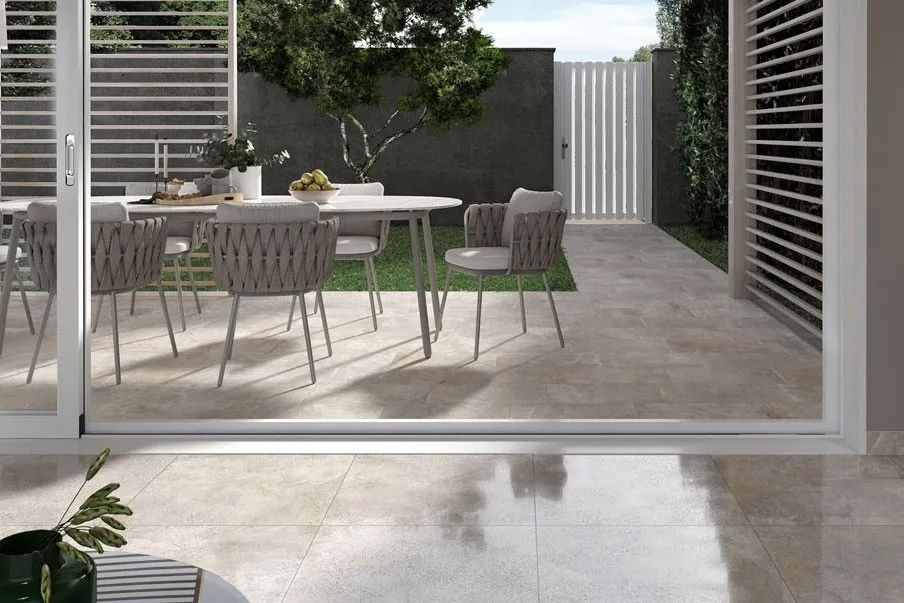
Outdoor spaces have become an extension of the home for many Melbourne residents. Whether it’s a compact balcony, a courtyard in the inner suburbs or a generous alfresco area in the outer suburbs, the right tiles can turn a simple slab into a welcoming, year-round living zone.
But exterior areas face more challenges than any room inside the house: changing temperatures, rain, UV exposure, dirt from the garden and plenty of foot traffic. That’s why choosing the right outdoor tiles melbourne is as much about performance and safety as it is about style.
Below is a practical guide to selecting tiles that look great, feel comfortable underfoot and stand up to Melbourne’s conditions.
Understand How Your Outdoor Space Is Used
Before you focus on colours and patterns, think about how the area actually functions:
- Is it a high-traffic entertaining zone with a BBQ, dining table and kids running around?
- A quiet balcony or courtyard for morning coffee?
- A transitional space between your interior living area and the garden?
High-use zones need tiles with stronger slip resistance, higher durability and finishes that don’t show every mark. More relaxed spaces can sometimes prioritise texture and aesthetics, as long as they still meet basic safety requirements when wet.
Also consider who uses the area. If you have young children, pets or older family members, a slightly more textured finish can provide extra peace of mind in wet weather.
Key Features of Quality Outdoor Tiles
Outdoor tiles have to cope with more than just the occasional spill. Melbourne’s variable climate means they may be exposed to hot sun, cold mornings, rain and sometimes even hail, all in the same week. Good exterior tiles should offer:
- Slip resistance suitable for wet conditions
- UV stability so colours don’t quickly fade
- Strength to handle outdoor furniture and frequent foot traffic
- Surfaces that are easy to clean with regular sweeping and occasional washing
Porcelain tiles are often a strong choice for outdoor areas thanks to their density and low porosity. Stone-look or concrete-look porcelains can give the character of natural materials without the same level of maintenance.
Creating a Seamless Indoor–Outdoor Flow
One of the biggest design trends in Melbourne homes is blurring the line between interior living spaces and outdoor entertaining areas. Tiles play a huge role in how successfully this works.
Using a similar tile tone or style inside and outside can visually expand your living area, especially when large sliding or bifold doors are open. For example, you might choose a lightly textured porcelain outdoors and a smoother version of the same look indoors so the spaces feel related but still practical for their specific use.
Pay close attention to thresholds and drainage. The finished tile height outside should be carefully planned in relation to interior flooring, so there’s no awkward step or water pooling near the door. A good tiler will factor this in when setting falls and grout lines.
Choosing Alfresco Tiles for Covered Spaces
Covered outdoor rooms sit somewhere between inside and outside. They’re still exposed to changes in temperature and wind-blown rain, but with more protection than open courtyards or pool surrounds. That allows a little more flexibility in finishes and styles.
When selecting alfresco tiles, think about the atmosphere you want to create. Do you prefer a casual, coastal look with light stone tones, a more urban aesthetic with concrete or terrazzo effects, or a warm, earthy palette that connects to the garden?
Alfresco areas also need to work for multiple activities: weekday meals, weekend entertaining, kids’ playtime and quiet evenings. Neutral, timeless tiles make it easier to change furniture, plants and soft furnishings over time without the space feeling dated.
Balancing Style, Colour and Maintenance
Outdoor areas will always collect dust, leaves and marks from shoes and furniture. While no tile is completely “maintenance-free,” some are far more forgiving than others.
Mid-tone colours and subtle patterns often hide everyday dirt better than very light or very dark tiles. Highly polished surfaces tend to show water spots and can be slippery when wet, so they’re usually best avoided outside. Textured or matte finishes strike a good balance between looks and practicality.
Think about how your chosen tile will look after a few seasons, not just on installation day. A smart choice now reduces the amount of scrubbing and pressure-washing needed to keep the space presentable.
Working With a Specialist Tile Supplier
Finally, because outdoor tiling involves more technical considerations—slip ratings, drainage, substrate preparation and exposure—it’s worth getting advice from a specialist. A local expert such as Erneste can help you compare options, understand which ranges are specifically designed for external use and select tiles that fit both your design vision and Melbourne’s conditions.
Bring photos and measurements of your outdoor area, along with any interior finishes you’d like to coordinate with, when you visit a showroom. Ask about suitability for uncovered vs covered spaces, recommended grout types and cleaning requirements.
With the right combination of robust outdoor tiles and carefully chosen alfresco finishes, your exterior areas can become true extensions of your home: comfortable, inviting spaces that work just as well for Sunday brunch as they do for late-night gatherings, all year round.